For anyone launching a new website, one of the most daunting early hurdles is navigating the technical maze of web hosting. You might find yourself asking, "How do I choose the right service when there are thousands of options?"
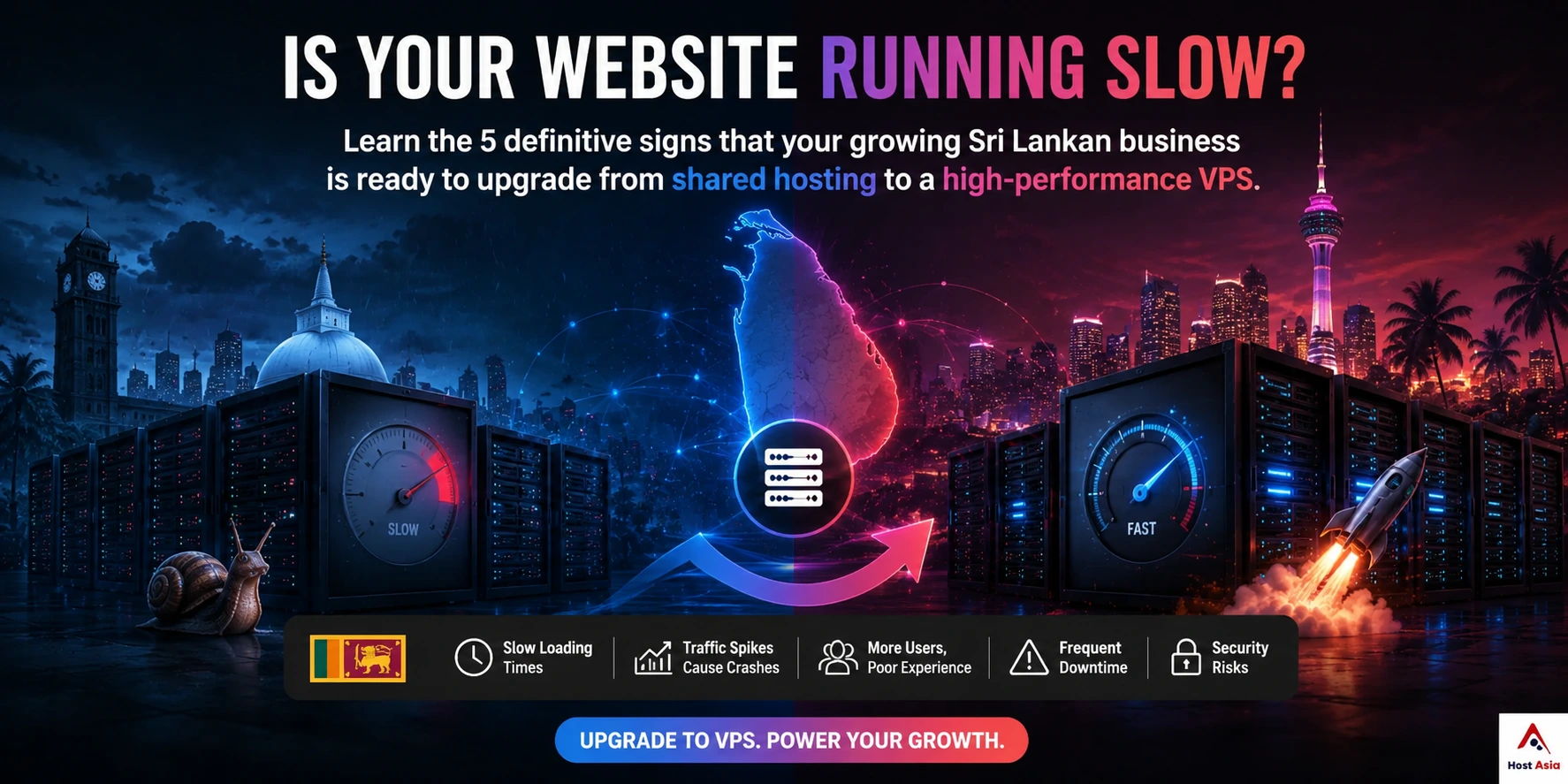
For most beginners, bloggers, and small businesses, the most popular and cost-effective starting point is Shared Hosting. Think of shared hosting like renting an apartment in a large building: you share the building’s resources (like plumbing and electricity) with other tenants, which keeps the cost down for everyone.
However, not all "apartment buildings" are managed the same way, and not all shared hosting plans are created equal. Here are the critical factors you must evaluate to choose the absolute best shared hosting package for your growing business or blog.
1. Storage (Disk Space) and Bandwidth Allocation
When evaluating a hosting plan, you need to ensure your "digital real estate" has enough room for your current needs and future growth.
- Storage Technology (SSD vs. NVMe):
Your plan must have ample space for your website's codebase, high-resolution images, videos, and databases. Today, you should completely avoid older HDD (Hard Disk Drive) servers. Instead, insist on SSD (Solid State Drive) or, even better, NVMe (Non-Volatile Memory Express) technology. NVMe drives can be up to six times faster than standard SSDs, ensuring lightning-fast data retrieval and loading speeds. - Bandwidth & Traffic Limits:
Bandwidth dictates how much data can be transferred between your website and your visitors. While a "limited" bandwidth package (e.g., 10GB/month) might suffice for a brand-new blog, it will quickly become a bottleneck as traffic grows. Look for plans offering "Unmetered Bandwidth," meaning the host won't charge you extra based on the amount of data your visitors consume, provided you stay within standard fair-use policies.
2. Server Performance, Speed, and Stability
Because you are sharing a server with other websites, you need guarantees that a sudden traffic spike on someone else's site won't crash yours.
- Resource Isolation (CloudLinux):
It is crucial to choose a hosting provider that utilizes technologies like CloudLinux. This software creates an isolated, virtualized environment for each user. It strictly allocates a specific amount of CPU and RAM to each website, ensuring that a resource-heavy neighbor cannot siphon away the processing power your site needs to function. - Web Server Technology:
Look for hosts that use LiteSpeed or NGINX web servers rather than older Apache setups. LiteSpeed, for example, is highly optimized for CMS platforms like WordPress and can handle thousands of concurrent visitors with minimal resource usage.
3. A User-Friendly Control Panel
Unless you are a seasoned system administrator, you will need a visual interface to manage the backend of your website.
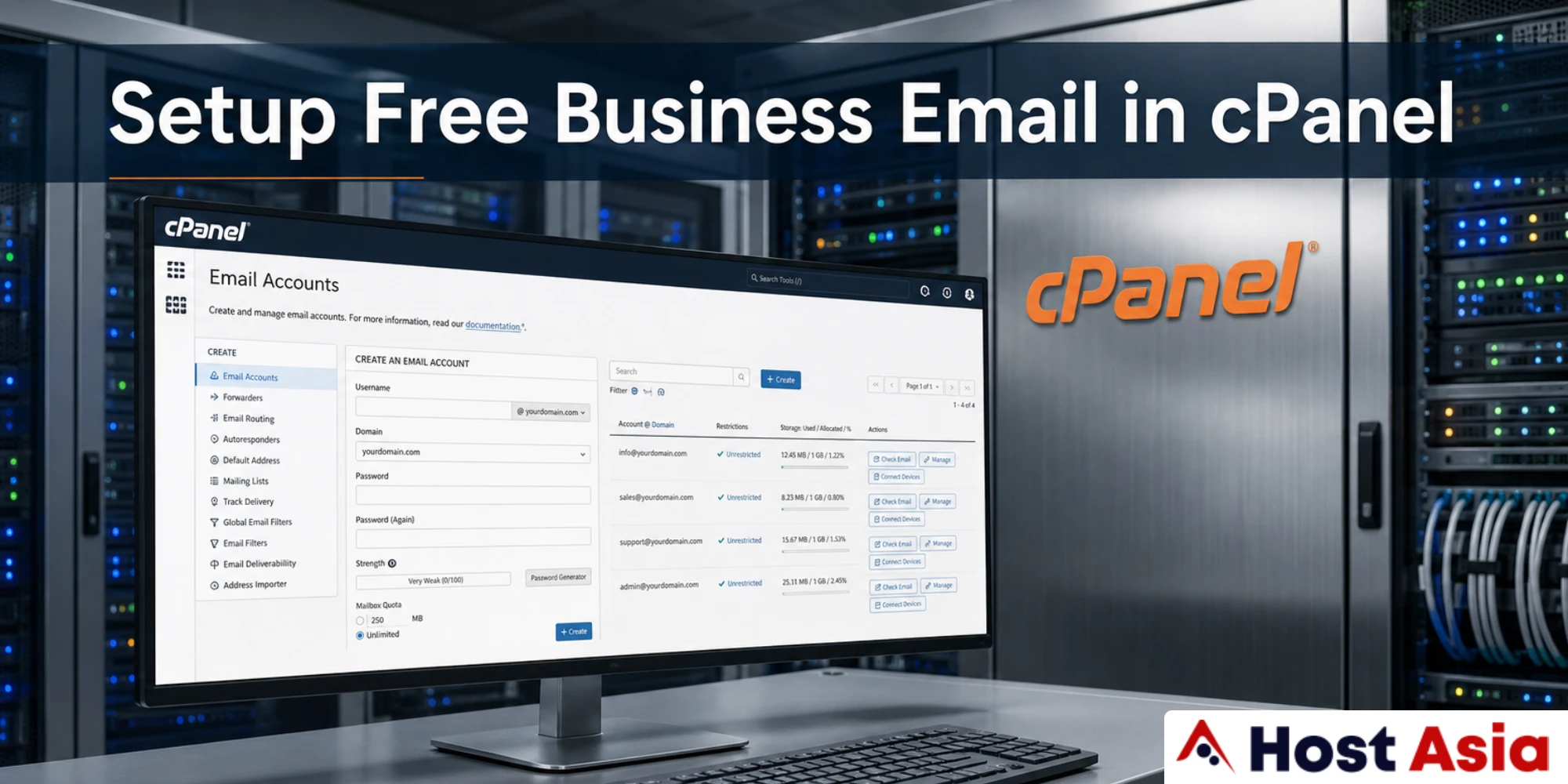
Industry Standards (cPanel): You will use your control panel to install WordPress, manage domain names, create professional @yourdomain.com email accounts, and access your file manager. cPanel is widely considered the gold standard due to its intuitive, user-friendly layout.
Alternatives: Some modern hosts offer custom-built dashboards or alternative panels like Plesk or DirectAdmin. Before purchasing, check out screenshots or request a demo to ensure the interface feels comfortable and easy for you to navigate.
4. Uptime Guarantees and Reliability
If your website isn't online, it doesn't exist. Frequent downtime costs you readers, sales, and reputation.
The 99.9% Rule: A reputable hosting company will offer a minimum 99.9% Uptime Guarantee, backed by a Service Level Agreement (SLA) that compensates you if they fail to meet this standard.
Note: 99.9% uptime still allows for about 43 minutes of downtime per month for server maintenance. If an e-commerce store requires even stricter reliability, you might need to look for 99.99% uptime guarantees.
5. SEO Friendliness and Server Location
Your web hosting service acts as the foundation of your website’s Search Engine Optimization (SEO) strategy.
Core Web Vitals: Google heavily penalizes slow, sluggish websites. By choosing optimized, fast servers, you improve your "Core Web Vitals," leading to better global visibility and higher rankings in search results.
Data Center Locations: Physical distance matters in web hosting. Look for a hosting provider that allows you to choose your data center location. If your primary audience is in Asia, hosting your website on a server in Singapore or India will result in significantly faster loading times than hosting it in Europe.
6. Robust Security and Automated Backups
Cyber threats are a daily reality. A good shared hosting provider will act as your first line of defense, offering these essential features out of the box:
- Free SSL Certificates (Let's Encrypt):
An SSL certificate changes your URL from HTTP to HTTPS, encrypting data between your site and your users. This is mandatory for securing passwords, processing payments, and earning trust from search engines. - Automated Backups:
Never rely solely on yourself to back up your site. Look for hosts that offer automated daily or weekly backups with easy, one-click restoration options. If your site gets hacked or an update breaks your theme, you can simply roll back time to a working version. - Proactive Defense:
Your host should include Web Application Firewalls (WAF), automated malware scanning, and DDoS protection to actively repel unauthorized access and bot attacks.
7. Responsive and Knowledgeable Customer Support
Eventually, you will run into a technical glitch, a database error, or a confusing plugin conflict. When that happens, your host's support team is your lifeline.
24/7 Availability: Issues don't stick to business hours. Ensure the company offers reliable 24/7 support through Live Chat, an efficient Ticket System, and potentially phone assistance.
In-House Experts: The best hosts employ in-house technical teams rather than outsourcing their support. Test their responsiveness by asking a few pre-sales questions via live chat before you hand over your credit card.
Final Thoughts: Value Over Price
It is incredibly tempting to chase the cheapest shared hosting package available—especially those advertising "$1 per month" deals. However, these bargain-basement plans often sneak in hidden renewal fees, severely throttle your website's speed, and offer non-existent customer support.
Instead of looking for the lowest price, focus on the highest value. Pay attention to the factors above, and choose a reliable provider that offers quality hardware, tight security, and excellent service. By investing a few extra dollars a month into a solid shared hosting foundation, you set your website up for uninterrupted success and growth.
Ready to start building? Check out Host Asia's Shared Web Hosting Packages, equipped with NVMe storage, cPanel, and local support optimized for your success.
Frequently Asked Questions
Everything You Need to Know!
 Recent Topics for you